
A Simple Guide to Smarter Spending
Have you ever looked at your monthly expenses and wondered, where did all my money go? You’re not alone. That’s why more and more people are turning to zero based budgeting as a way to take control of their finances. But what is zero based budgeting, and how can it help you stop the paycheck-to-paycheck cycle? Let’s break it down in a way that’s easy to understand and even easier to start using.
What is Zero Based Budgeting?
At its core, zero based budgeting is a budgeting method that gives every dollar (or pound!) a job. Unlike traditional budgeting methods where you just track what you spend, zero based budgeting flips the script: you start each month by planning where every single dollar will go until you’re left with…you guessed it…zero.
That doesn’t mean you spend all your money it just means you assign it. Some dollars go to savings, some to rent, some to groceries, and some to that Netflix subscription you refuse to cancel. The goal is simple: budget allocation strategies that make your money work for you, not the other way around.
How Does Zero Based Budgeting Work?
Here’s the step-by-step magic of zero based budgeting:
- List Your Income: Add up everything your salary, side hustles, and any random payments.
- Assign Every Dollar: Allocate your income to categories like bills, groceries, savings, and fun stuff.
- Adjust Until You Hit Zero: If there’s money left, assign it to savings, debt payments, or other goals.
- Track and Review: Stay on top of your spending and tweak as needed.
Think of it like a financial to-do list every dollar has a purpose, and there’s no “extra” money left floating around to tempt you into impulse buys.
Why is Zero Based Budgeting So Popular?
Great question! The main reason is that zero based budgeting forces you to be intentional. You don’t just “hope” you’ll save money you actually plan for it. Here’s why people love it:
- Better Financial Clarity: You know where every penny is going.
- Controlled Spending: Less chance of overspending on takeout (looking at you, Friday nights).
- Smarter Savings: Build your emergency fund, pay off debt, or save for that big trip.
- Less Stress: No more wondering if you’ll make it to the next paycheck.
It’s like giving your money a map, instead of letting it wander off into the unknown.
Is Zero Based Budgeting Right for Everyone?
Honestly, zero based budgeting isn’t one-size-fits-all. It works best if:
- You’re tired of living paycheck-to-paycheck.
- You want to get serious about debt or savings.
- You like structure and accountability.
But if you’re a super spontaneous spender, it might feel a bit too restrictive at first. The good news? You can always tweak it to fit your style. After all, financial planning isn’t about being perfect it’s about progress.
Zero Based Budgeting vs. Other Budgeting Methods
Let’s compare zero based budgeting with other popular budgeting methods:
| Budgeting Method | How It Works | Best For |
|---|---|---|
| Zero Based Budgeting | Every dollar is assigned a purpose | People who like control & structure |
| 50/30/20 Rule | 50% needs, 30% wants, 20% savings | Start |
| Pay-Yourself-First | Save a set amount before paying expenses | Those focused on building savings fast |
| Envelope System | Use cash-filled envelopes for spending categories | Fans of old-school budgeting techniques |
Each has its pros and cons, but zero based budgeting shines when you want a clear, detailed plan for every dollar.
Tips to Succeed with Zero Based Budgeting
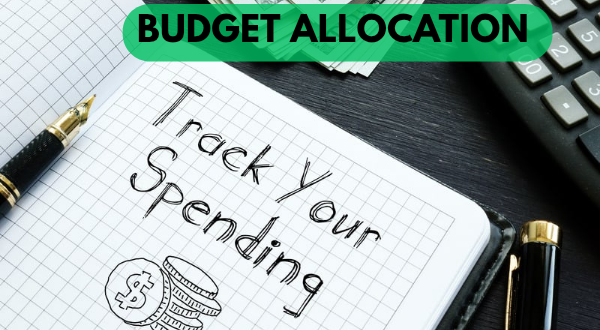
Ready to give zero based budgeting a go? Here are a few tips to help you stick with it:
- Be Honest: Don’t underestimate your spending habits. If you love dining out, budget for it!
- Review Weekly: A monthly check-in is great, but a quick weekly review keeps you on track.
- Use Tools: Budgeting apps can simplify the process. (Check out Best Budgeting Apps 2025 for recommendations!)
- Stay Flexible: Life happens. Adjust your budget as you go.
- Celebrate Wins: Paid off a credit card? Give yourself a (budgeted) treat!
5 When
- Clarity: You always know where your money’s going.
- Intentional Spending: No more “oops, I forgot about that bill” moments.
- Debt Freedom: Allocate extra cash to debt and pay it off faster.
- Goal Setting: Prioritize savings for what matters most.
- Peace of Mind: Financial planning = less money stress.
Have you tried zero based budgeting yet? Let us know how it’s working for you in the comments below! And if you found this article helpful, feel free to share it with your friends who might need a budgeting reset. Don’t forget to explore our other guides to build your financial knowledge and confidence.
FAQ
Q: Is zero based budgeting too strict for beginners?
A: It can feel strict at first, but many people actually find it freeing! It’s all about giving yourself a clear plan, and you can adjust as needed.
Q: How long does it take to set up a zero based budget?
A: The first time might take an hour or two, but once you get into a routine, it’s much faster—often 15-30 minutes a month.
Q: Do I need special software for zero based budgeting?
A: Not at all! A spreadsheet works fine, but apps like YNAB or EveryDollar can make the process easier.