

Life is unpredictable. One day, everything’s fine, and the next, your car breaks down, your laptop dies, or you face a medical emergency. These moments can feel overwhelming, especially if you’re not prepared. That’s why building an emergency fund isn’t just a financial tip—it’s a lifeline for your peace of mind.
In this guide, I’ll walk you through 5 practical steps to build an emergency fund that’s realistic, achievable, and designed to protect you in times of need. Whether you’re just getting started or looking to strengthen your financial safety net, this article is for you.
Let’s break down exactly what an emergency fund is, why it matters, and how you can start building one today—without feeling overwhelmed or deprived.
Why an Emergency Fund is a Must-Have
Let’s be clear: an emergency fund is not about saving for vacations, gadgets, or shopping sprees. It’s your financial safety net—a dedicated pool of money set aside for real emergencies.
Think of it as your personal insurance policy against life’s curveballs. With an emergency fund, you can:
✅ Cover unexpected expenses without debt
✅ Avoid dipping into long-term savings or retirement accounts
✅ Reduce stress and sleep better at night
✅ Handle sudden life events with confidence
Without it, one unexpected bill could throw your entire financial plan off track.
Step 1 : Define Your Emergency Fund Goal
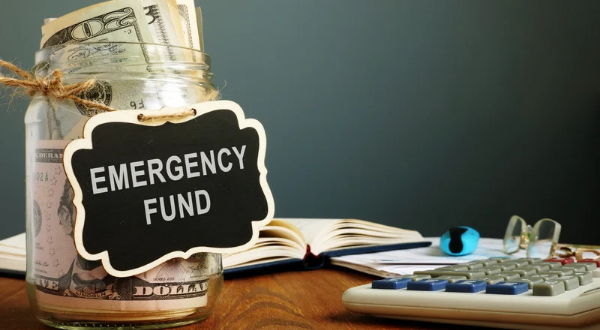
The first step in building an emergency fund is knowing how much you need. The golden rule? Aim for 3 to 6 months of essential expenses.
Here’s how to calculate it:
- List your must-pay monthly expenses: rent, utilities, groceries, transportation, minimum debt payments.
- Add them up to get your monthly total.
- Multiply by 3 for a minimum target, 6 for a more secure goal.
For example, if your essentials add up to $2,000 per month, your emergency fund target should be $6,000–$12,000.
Don’t feel discouraged if that number feels huge—start small. Even $500 or $1,000 in your emergency fund is better than zero.
Step 2 : Choose the Right Place to Keep Your Emergency Fund
Where you stash your emergency fund matters. It needs to be:
✅ Accessible (you can get the money quickly)
✅ Safe (not at risk in the stock market)
✅ Separate (not mixed with daily spending accounts)
Best options:
- High-yield savings account (recommended)
- Money market account (good alternative)
Avoid risky places like stocks, crypto, or real estate—this fund is for emergencies, not investments.
Step 3 : Automate Your Savings
One of the most effective ways to build an emergency fund is to make saving automatic. This takes the decision-making out of your hands and helps you stay consistent.
Here’s how to do it:
- Set up a recurring transfer from your main account to your emergency fund right after payday.
- Start small if needed—even $20 or $50 per paycheck builds momentum.
- Treat your emergency fund like a non-negotiable bill—just like rent or utilities.
Step 4 : Find Extra Money to Boost Your Fund
Struggling to save? No worries! Let’s get creative with finding extra cash for your emergency fund.
Try these ideas:
💡 Sell unused items: Declutter your home and turn stuff into savings.
💡 Cut subscriptions: Cancel services you don’t use.
💡 Do a no-spend challenge: Go a week or a month without non-essential purchases.
💡 Pick up a side gig: Freelance, tutor, or sell a skill online.
💡 Redirect windfalls: Tax refunds, bonuses, or gifts? Add them to your emergency fund.
Remember, every dollar counts. Even small, irregular contributions add up over time.
Step 5 : Protect and Replenish Your Emergency Fund
Congratulations—you’ve built your emergency fund! 🎉 Now, protect it:
- Use it only for true emergencies (unexpected medical bills, car repairs, job loss).
- If you do use it, replenish it as soon as you can—treat it like a financial safety net you want to keep full.
- Periodically review your emergency fund—adjust if your expenses change.
Think of it as your shield: You hope you won’t need it, but if you do, it’s there.
Common Questions About Building an Emergency Fund
How much should I save for an emergency fund?
The general rule is 3–6 months of essential living expenses. Start with a small goal like $500 or $1,000, then build up.
Can I use my emergency fund for a vacation?
Nope! An emergency fund is for true emergencies—unexpected, urgent, and necessary expenses only.
Where should I keep my emergency fund?
In a high-yield savings account or money market account for easy access and safety.
Final Thoughts Your Emergency Fund = Your Financial Safety Net
Building an emergency fund isn’t just about numbers—it’s about peace of mind. It’s knowing that if life throws you a curveball, you won’t be scrambling for a loan or racking up credit card debt.
Start small, stay consistent, and remember: progress is more important than perfection.
Ready to take action? Open a separate savings account, set up an automatic transfer, and watch your emergency fund grow—one deposit at a time.
Bonus Tips for Smart Financial Planning
- After building your emergency fund, focus on paying off high-interest debt.
- Learn how to invest safely—check out A Beginner’s Guide to Investing: Start Smart and Safe.
- Explore Proven Money-Saving Strategies That Don’t Feel Like Sacrifices to boost your savings even more.
Have you started building your emergency fund? What’s your biggest challenge? Share your story in the comments!
And don’t forget—small steps lead to big results. Let’s grow our financial safety nets together!